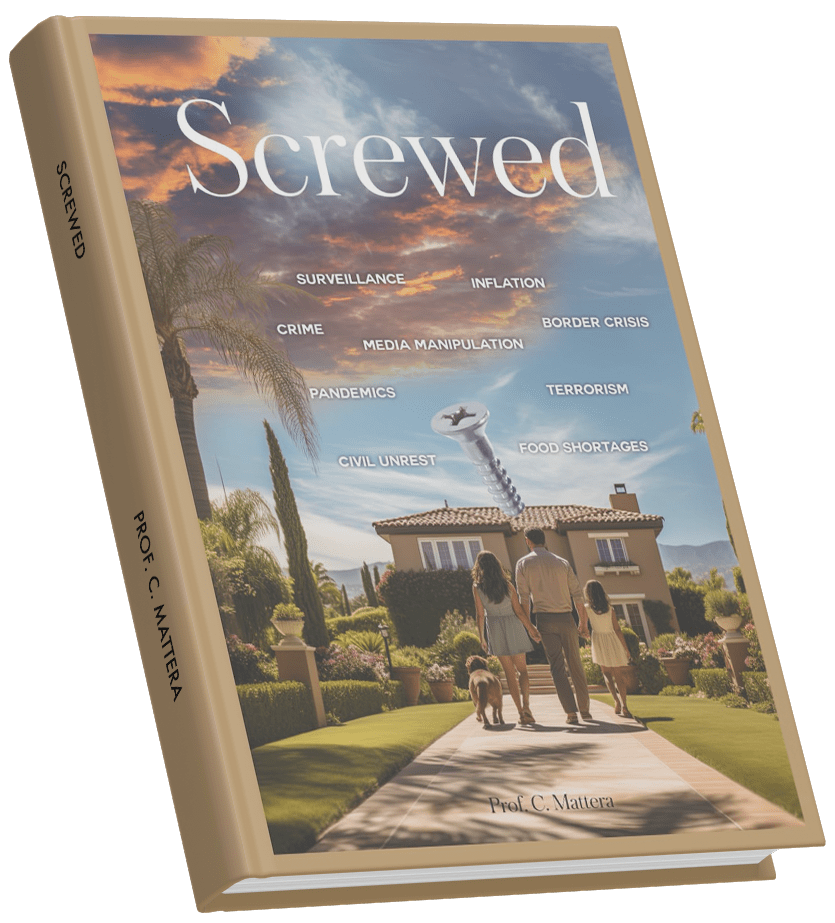
Screwed
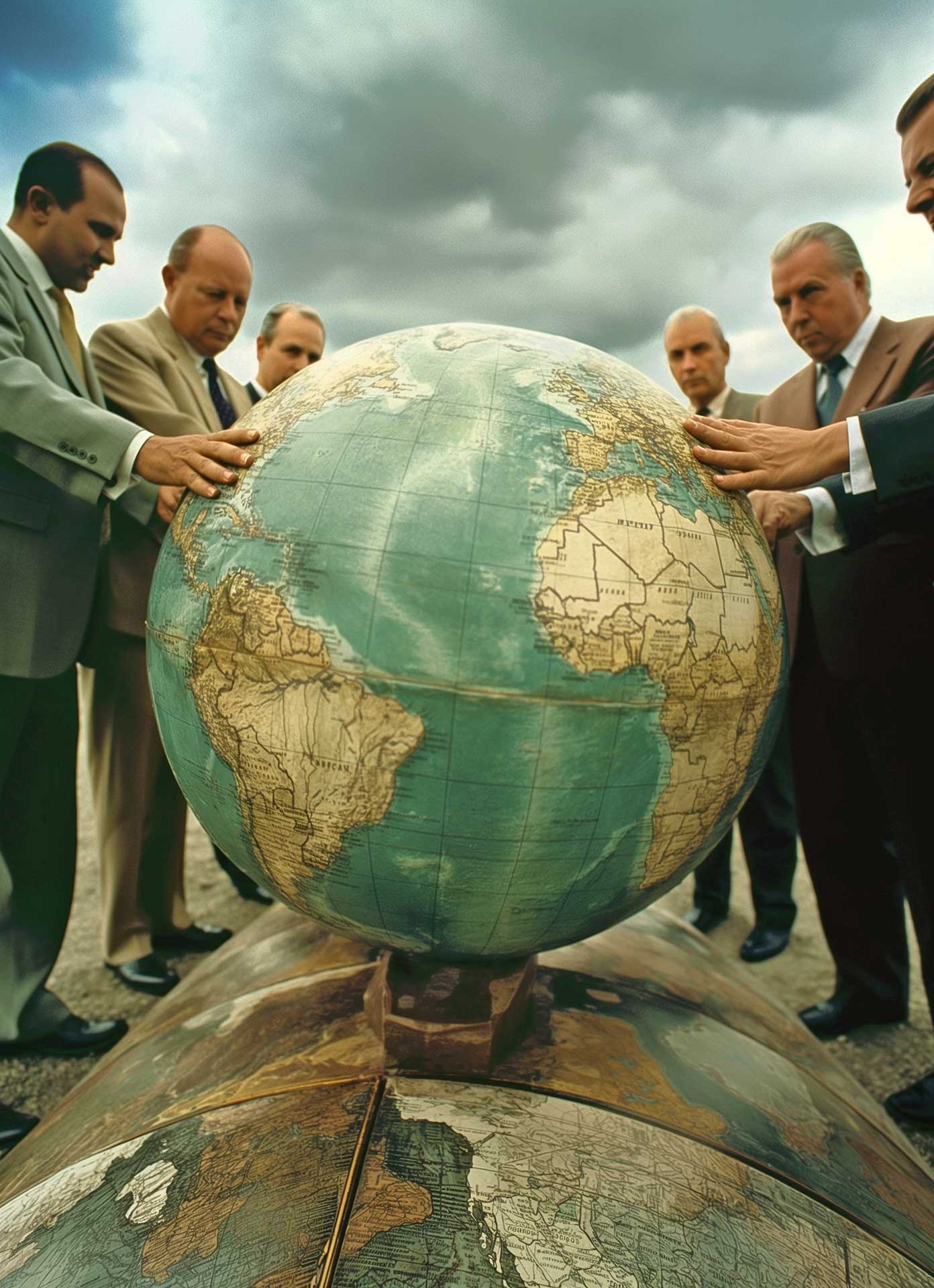
This book traces the shape of power in the modern world and asks why so much influence seems to flow through a small circle of people and institutions. It follows the money, the land, the food supply, and the political machinery that most people never see. Instead of treating these topics like rumor or folklore, it looks at them through history, documented patterns, and the incentives that drive powerful groups to operate quietly.
You move through government first, where bureaucracy grows faster than accountability. From there the book steps into central banking and the creation of money, showing how currency, debt, and policy decisions can shift wealth upward without most people noticing. It looks at food and land next, where foreign ownership and corporate consolidation slowly reshape the way the country eats and produces. Each section shows how influence gathers in the same pockets over and over.
The book also compares modern power structures to fictional ones. Stories like the High Table in John Wick help illustrate how invisible rules and unspoken agreements can exist in real institutions. They are not exact parallels, but they help you see how authority can hide in plain sight.
Throughout the chapters, the book does not claim that every theory is fact. It separates what is documented from what is speculative and points out where the gaps are. The goal is clarity. It shines light on the systems that shape daily life and gives you the tools to think critically about who benefits, who decides, and how these choices ripple into the future.
“Power never announces itself. It moves quietly through boardrooms, backchannels, and dinner tables, shaping the world long before the public ever hears a word about it.”
Avoid Ponga-Ponga at all costs!
The book is built to feel like a guided investigation. Chapters are short, focused, and easy to move through in any order. Each section opens with a clear idea, then moves into examples, history, and the evidence behind the claims. Speculation is marked as speculation so you always know where the solid ground is.
The tone stays direct and conversational. You won’t find long academic detours or dense jargon. The goal is to keep you turning pages, not checking footnotes.
The physical layout reflects that same approach. Clean typography, wide margins, and space between ideas so the pacing feels steady instead of crowded. It reads like a conversation you can follow at night when your brain is tired but still curious. This structure pairs well with the themes of the book, because it mirrors the process of peeling back layers one at a time.